I love a railway-themed attraction or museum and have visited lots of them all over the UK and Europe. (You can read all my train posts here) I'm particularly interested in the history of the London Underground and have been on a few tours that explore the hidden history of this extraordinary network now. I've always fancied an abandoned station or tunnel tour after previously visiting the Acton depot and the London Underground's former HQ which is a gem of art deco architecture.
You have to be quick to get tickets for the Hidden London tours organised by the London Transport Museum and my husband and I have missed out on them before as they are released whilst we are in work. We were lucky enough to get tickets for the Euston Station Lost Tunnels tour when the museum last released a batch of tickets and were so excited for a glimpse behind the scenes.
You have to be quick to get tickets for the Hidden London tours organised by the London Transport Museum and my husband and I have missed out on them before as they are released whilst we are in work. We were lucky enough to get tickets for the Euston Station Lost Tunnels tour when the museum last released a batch of tickets and were so excited for a glimpse behind the scenes.
The tour explored a century of the station’s history, from its beginnings on the corner of Melton and Drummond Street to its future as part of an evolving and growing national railway network. I'm pleased that we were able to explore the lost tunnels before the site is transformed for HS2 and repurposed to delivery a more future-proof railway. The Underground is always evolving.
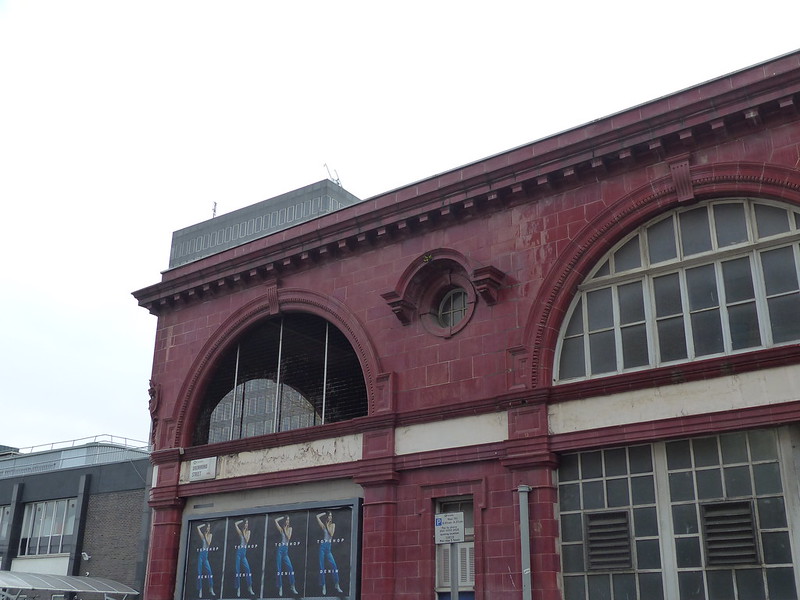
Euston has two station types, one a mainline station and the other, an underground station. Euston was the first mainline station to connect London to Birmingham in 1838.
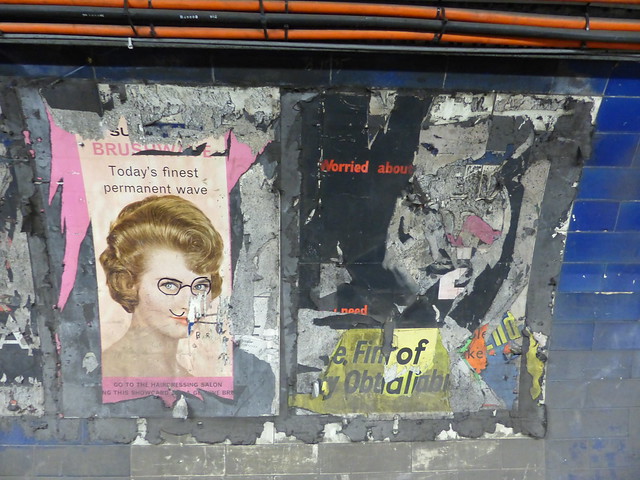
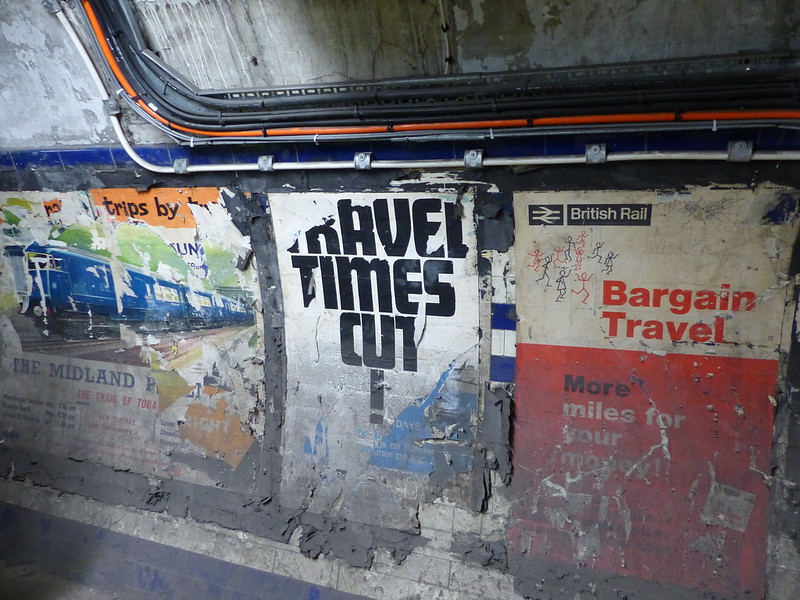
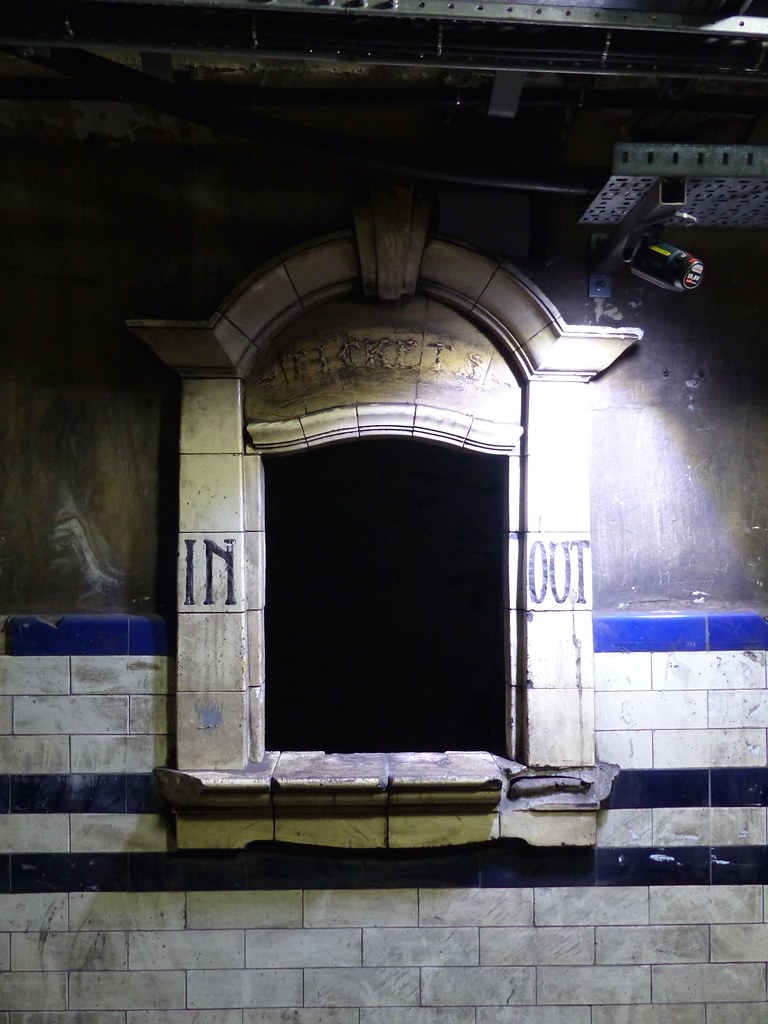
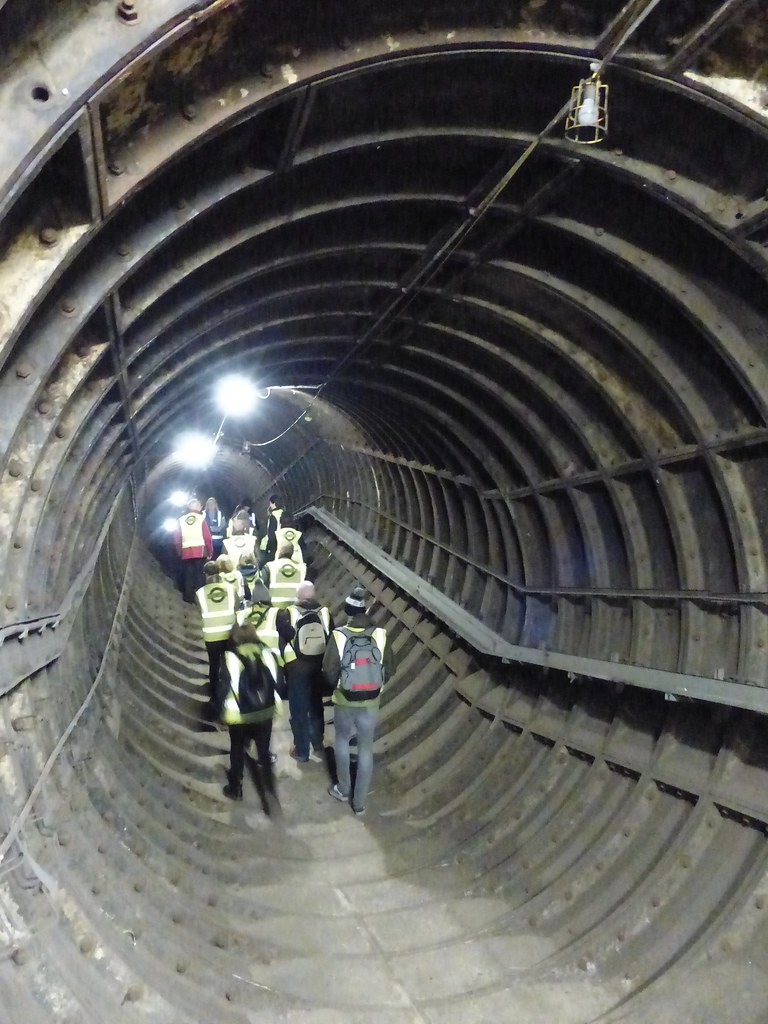
The two branches of the Northern line were constructed by two competing companies and they had two separate entrances at Euston. Later the companies agreed to join the two stations with a passageway. The tour takes you through this now-closed passageway, the ticket hall and still has posters hanging from the 1960’s.
We really enjoyed exploring parts of the underground that are closed off to the public, the tunnels felt like a time capsule with British Rail posters and advertisements for Pyscho and West Side Story adorning the walls. The tours aren't cheap but are really immersive and well worth the ticket price.
Euston has two station types, one a mainline station and the other, an underground station. Euston was the first mainline station to connect London to Birmingham in 1838.
The two branches of the Northern line were constructed by two competing companies and they had two separate entrances at Euston. Later the companies agreed to join the two stations with a passageway. The tour takes you through this now-closed passageway, the ticket hall and still has posters hanging from the 1960’s.
We really enjoyed exploring parts of the underground that are closed off to the public, the tunnels felt like a time capsule with British Rail posters and advertisements for Pyscho and West Side Story adorning the walls. The tours aren't cheap but are really immersive and well worth the ticket price.


Mail Rail
Not content with visiting one transport themed attraction in one day we also made time to visit Mail Rail during our trip to London. We purchased a combined ticket which gave us access to both the Postal Museum and a ride on Mail Rail - another chance to explore subterranean London.
Inside the museum, there’s a whole host of items tracing the history of the postal service from its beginnings in Tudor times up to the present day. The museum is split into chronological zones and houses the first post box, various post vans and carriages and the only sheet of Penny Black stamps still in existence.
Inside the museum, there’s a whole host of items tracing the history of the postal service from its beginnings in Tudor times up to the present day. The museum is split into chronological zones and houses the first post box, various post vans and carriages and the only sheet of Penny Black stamps still in existence.
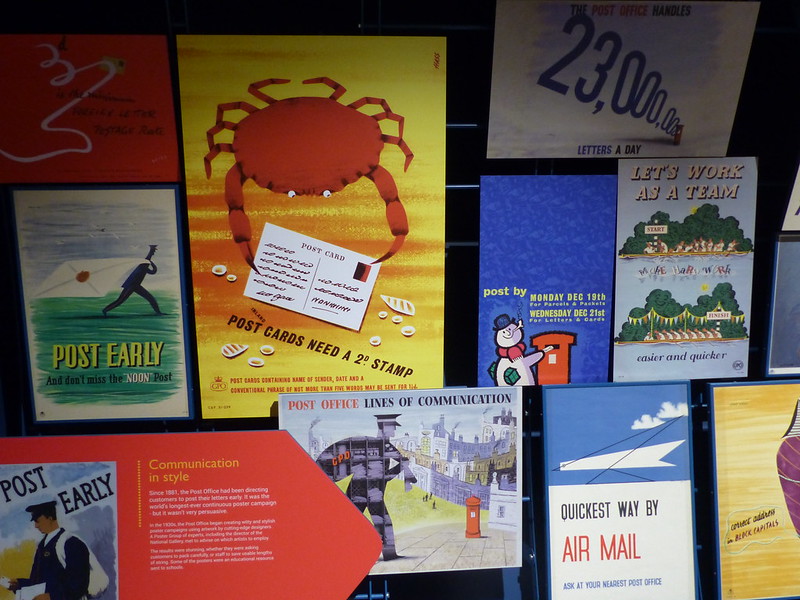
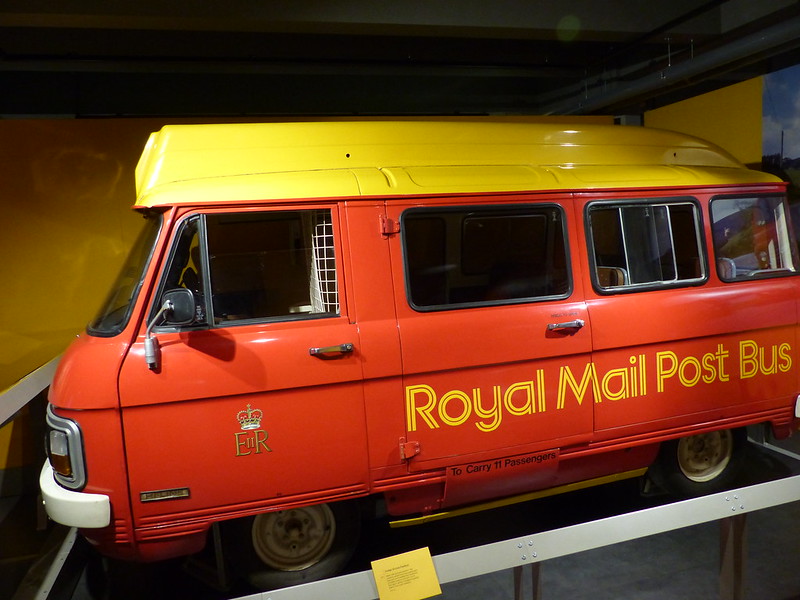
The part of the museum I was most excited to explore was the Mail Rail - a 15-minute journey under the streets of London just opposite the Postal Museum.

For just under a century, (and unknown to many Londoners), a railway network operated under the city streets transporting the country’s correspondence. Mail Rail was introduced to ease the congestion on the roads of London and speed up the transportation of post. At its peak, it ran between Paddington and Whitechapel.
The network remains pretty unchanged since it was decommissioned in 2003 and sits deep below the Royal Mail’s Mount Pleasant sorting office. Mail Rail was closed as the cost to operate the system was far greater than transporting post via road but we have been left with a fantastic experience and chance to explore more of London's hidden history.
The journey starts when you board tiny carriages in the exhibition space. These trains were never intended for passengers and hefty me and my tall husband found them quite a squeeze. If you don't know the person who you are travelling with before the Mail Rail ride you will by the time you emerge at the other end! The tunnels are now home to dynamic video guides and testimonials from staff who used to work in the tunnels. The history of Mail Rail is far more interesting than you might expect!
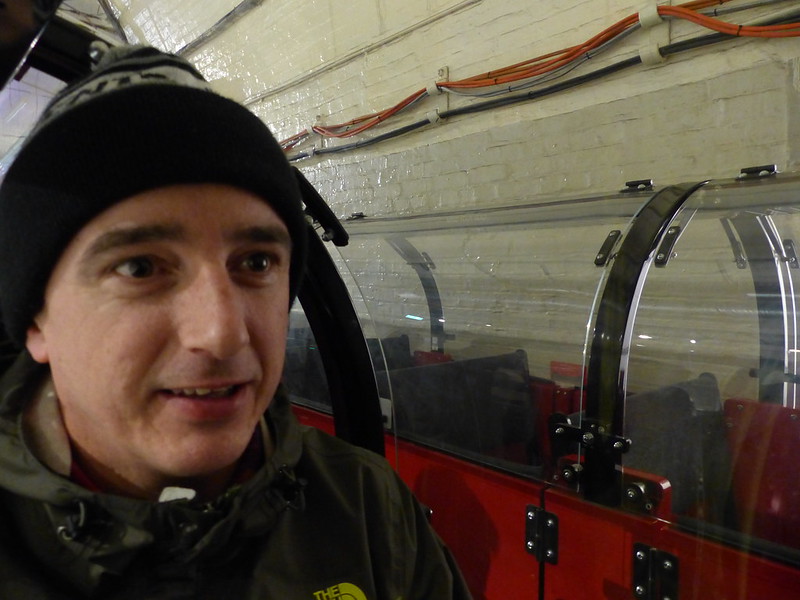

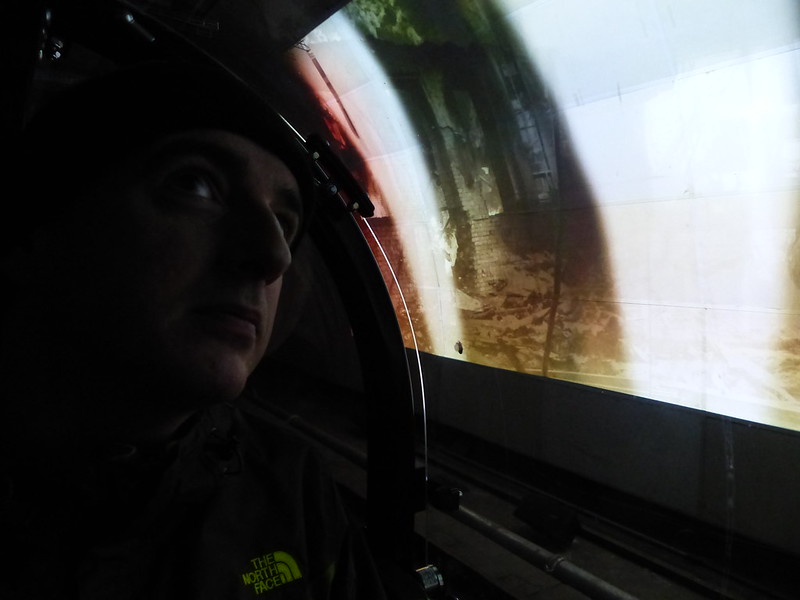
Combined tickets for the museum and Mail Rail are currently £17 and the Euston - The Lost Tunnels tour costs £41.50. Both get a big thumbs up from me and Martyn.
Pin it for later